
About the WNC Rail Committee
For more than 25 years, the Western North Carolina Rail Committee has been the driving force behind efforts to restore passenger rail service to the mountains of North Carolina. Founded in 1995 by passionate rail advocate Judy Ray of Asheville, this nonprofit organization has worked tirelessly to reconnect the communities between Asheville and Salisbury—a vital link that was lost when Southern Railway discontinued passenger service in 1975. The WNC Rail Committee operates with a clear three-pronged mission: to improve and expand freight rail services throughout the region, to support and encourage rail excursion opportunities that allow residents and visitors to experience the beauty and heritage of mountain rail travel, and to re-establish regular passenger rail connections between Asheville and Salisbury. This comprehensive approach recognizes that a healthy rail system serves multiple purposes—moving goods, providing recreational experiences, and offering accessible transportation options for residents and tourists alike.
A Legacy Built on Rails
The story of Western North Carolina is inseparable from the story of its railroads. When the Western North Carolina Railroad was chartered in 1855, it represented more than just a transportation project—it was a lifeline that would define the region's future. Between 1858 and 1890, crews worked to extend rail lines through some of the most challenging mountain terrain in the eastern United States, connecting Salisbury to Morganton, pushing through Old Fort, crossing the Swannanoa Gap, and eventually reaching Asheville and beyond.
The construction of this railroad was an extraordinary feat of engineering, involving multiple tunnels and dramatic mountain crossings. Much of this demanding work was completed by more than 3,000 African American incarcerated laborers working under brutal conditions, with reports suggesting that between 125 and 300 workers lost their lives during construction. This sobering history is an important part of the railroad's legacy and the communities it helped build.
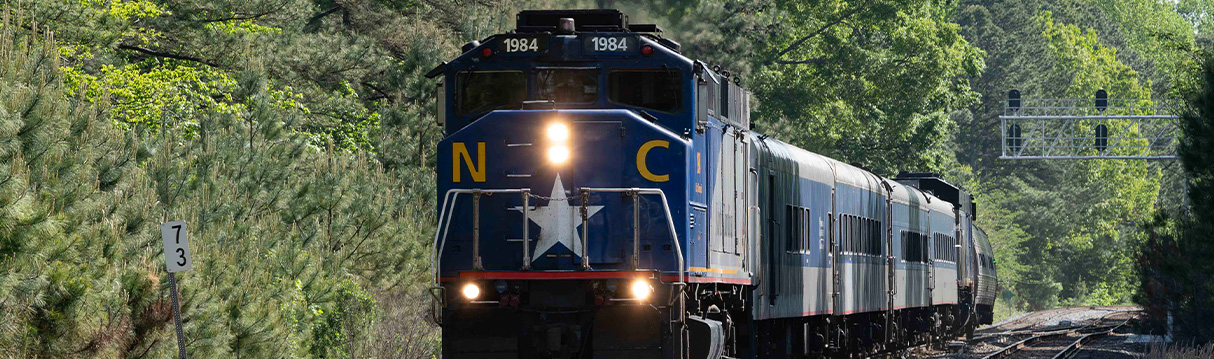
From the late 1880s through the mid-20th century, the railroad served as the primary means of access to Western North Carolina, spurring massive expansion in the lumber, mining, and tourism industries. Towns like Marion, Morganton, Old Fort, Black Mountain, and Asheville grew up around these rail lines. The railroad didn't just connect these communities to markets and visitors—it shaped their very identity and economic foundation.
The Modern Movement
When passenger rail service ended in 1975, Western North Carolina lost more than a transportation option—it lost a crucial connection to its heritage and to the broader transportation network. For nearly five decades, the region has been without this service, even as millions of visitors continue to flock to the mountains each year, many from cities currently served by Amtrak.
The WNC Rail Committee has spent over two decades building a case for restoration that goes far beyond nostalgia. The committee has collected more than 140 resolutions of support from municipalities, organizations, and communities throughout the corridor, including Marion, Morganton, Old Fort, Black Mountain, Valdese, Hickory, Conover, Statesville, and Asheville. This grassroots support demonstrates a widespread recognition that passenger rail represents not just a return to the past, but an investment in the future.
Recent Progress and Federal Recognition
The committee's persistence has begun to bear fruit. In late 2023, the proposed Salisbury-to-Asheville route was selected for the Federal Railroad Administration's prestigious Corridor Identification and Development (CID) program—a major milestone that positions the project to receive federal funding support. This selection followed the release of the comprehensive 2023 Western North Carolina Passenger Rail Feasibility Study, conducted by the Institute for Transportation Research at North Carolina State University.
The feasibility study outlined an ambitious vision: a 139-mile passenger rail line offering three daily round-trips between Asheville and Salisbury, with trains traveling at speeds up to 79 miles per hour. The proposed route would serve stations in Asheville (Biltmore Village), Black Mountain, Old Fort, Marion, Morganton, Valdese, Conover, Hickory, Statesville, and Salisbury, reconnecting communities that have been isolated from passenger rail for nearly half a century.
The economic impact projections are significant. According to the study, the restored passenger service could create 305 jobs, generate $20 million in annual employee earnings, and produce nearly $60 million in annual economic output for the region. The current estimated project cost is approximately $650-665 million—a substantial investment, but one that would provide long-term benefits to economic development, tourism, and quality of life throughout Western North Carolina.
Working with Partners
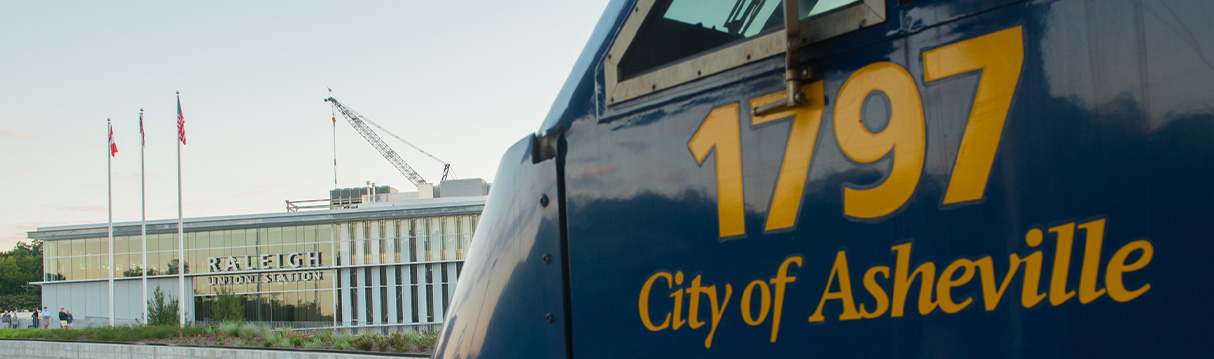
The WNC Rail Committee doesn't work in isolation. The organization has cultivated strong relationships with key stakeholders, including the North Carolina Department of Transportation Rail Division, Norfolk Southern Railway (which owns and operates the freight line that would host passenger service), Amtrak, state legislators, and local governments throughout the corridor.
Recent communications from Norfolk Southern have been encouraging, with the railroad company acknowledging the feasibility study and expressing willingness to participate in future discussions. This cooperation is crucial, as any passenger rail service would need to operate alongside Norfolk Southern's existing freight operations on the same tracks—a complex logistical challenge that requires careful planning and significant infrastructure investment.
The committee has also worked closely with state legislators to secure funding and political support. Co-chair Ray Rapp, a former state legislator himself, brings valuable experience navigating the complexities of state government. Current North Carolina House Speaker Tim Moore has publicly expressed support for the project, calling it critical for boosting tourism and better connecting the region to the rest of the state. The committee continues to build bipartisan support, recognizing that a project of this magnitude requires sustained political will across multiple election cycles.
Hurricane Helene and Resilience
In September 2024, Hurricane Helene devastated Western North Carolina, causing catastrophic damage to communities, infrastructure, and lives. The storm also severely damaged rail infrastructure, particularly in the Old Fort area, where sections of track were washed away or left hanging in mid-air as the ground beneath them eroded. Norfolk Southern has committed to repairing and restoring the freight line through Old Fort—a crucial step not only for current freight operations but also for the future passenger rail vision.
The committee views this rebuilding effort as an opportunity. As the region recovers and rebuilds, there is a unique chance to incorporate improvements that would support both freight and future passenger operations. The resilience shown by Western North Carolina communities in the wake of Helene mirrors the resilience the WNC Rail Committee has demonstrated over more than 25 years of advocacy.
Supporting Excursions and Building Excitement
While working toward the long-term goal of restored daily passenger service, the committee actively supports rail excursion opportunities that allow people to experience the romance and beauty of mountain train travel. Organizations like the Craggy Mountain Line, which operates short excursions on restored rail cars between Asheville and Woodfin, help keep the rail heritage alive and build public enthusiasm for expanded service.
These excursions serve multiple purposes: they provide immediate recreational opportunities, generate economic activity, introduce younger generations to train travel, and demonstrate continuing public interest in rail transportation. The committee believes that expanding excursion opportunities creates a foundation of support and infrastructure that will benefit future passenger service.
The Vision for Tomorrow
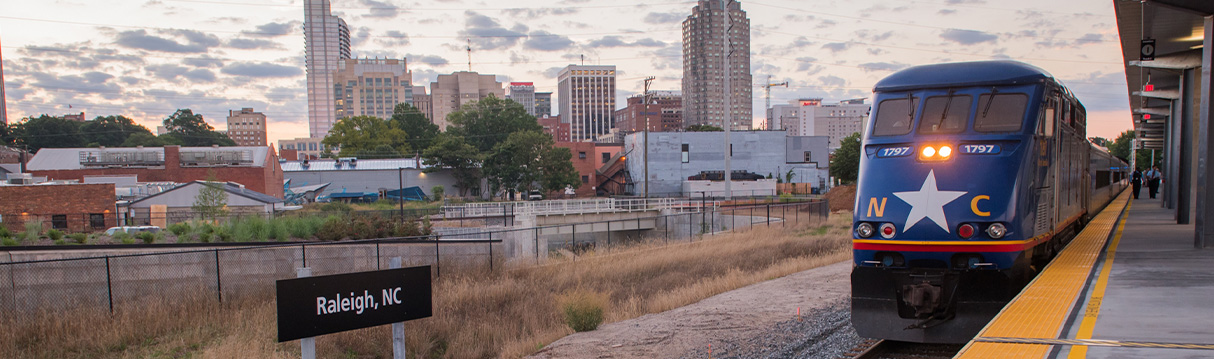
The romanticism of train travel remains alive in America, and Western North Carolina's stunning mountain scenery makes it an ideal destination for rail tourism. The proposed route would take passengers through landscapes accessible only by rail—dramatic mountain vistas, historic railroad engineering marvels like the tunnels and loops near Old Fort, and charming small towns that grew up alongside the tracks.
But the committee's vision extends beyond tourism. Restored passenger rail would provide a reliable transportation alternative for residents, particularly those who cannot or prefer not to drive over mountain roads. It would better connect Western North Carolina to the state's existing Amtrak network, which serves the Piedmont and eastern regions. It would support economic development by making the region more accessible to businesses and workers. And it would honor the heritage of the communities built by the railroad more than a century ago.
Leadership and Community Involvement
The WNC Rail Committee is co-chaired by Ray Rapp, a former North Carolina state legislator who has been a tireless advocate for passenger rail, and Steve Little, Mayor of Marion, whose community stands to benefit significantly from restored service. The committee includes representatives from municipalities throughout the corridor, transportation advocates, business leaders, and citizens who share a common vision of reconnected communities. Longtime committee member Freddie Killough of Marion speaks for many when she emphasizes the importance of preserving access to places "you can't get to in any other way"—the remote mountain landscapes visible only from the rail corridor. Former committee chair Judy Ray, who organized the group in 1995, hopes to be "one of the first riders on that first train" when passenger service finally returns.
Looking Ahead
The road ahead remains long and challenging. The project must navigate the Federal Railroad Administration's three-stage planning and development process before securing federal funding. State funding commitments must be secured, requiring continued advocacy in both the North Carolina House and Senate. Detailed engineering studies must be completed, infrastructure improvements designed and constructed, and operational agreements finalized with Norfolk Southern and Amtrak.
Yet after more than 25 years of advocacy, feasibility studies, resolution-gathering, and relationship-building, the WNC Rail Committee has never been closer to realizing its vision. The federal CID program selection, positive responses from Norfolk Southern, growing political support, and strong backing from communities throughout the corridor all suggest that the dream of restored passenger rail service is becoming increasingly achievable. The committee continues to welcome support from individuals, businesses, and organizations that share its vision. Whether through advocacy, attendance at public meetings, communication with elected officials, or simply spreading awareness of the project's benefits, every voice strengthens the case for bringing passenger rail back to Western North Carolina.
After nearly 50 years of silence, the rails through the mountains may soon carry passengers again—connecting communities, supporting economic growth, providing sustainable transportation, and honoring the heritage of a region built by the iron road